Moving a Patient Home from the ICU: The Equipment Checklist
What the discharge team needs to confirm, what to rent and in which order, and how to build a 24-hour care plan before the patient arrives.
An ICU discharge is the most complex transition in medicine. It is also the point at which most families realise how much equipment a single patient at home actually needs.
The planning is not complicated, but it has to be done in the right order, and it has to be started before the discharge date is fixed.
This is the checklist we walk every family through.
Start with the discharge paperwork
Ask for the written ventilation or oxygen protocol, the medication list with exact timings, the wound and drain care instructions, the alarm limits for any monitor, and the escalation contact.
Ask who the named clinician is and how to reach them out of hours. Ask what the plan is if the patient deteriorates at 2 AM.
This document set is what you will actually use at home. It is more important than any piece of equipment.
The equipment, in the order to book it
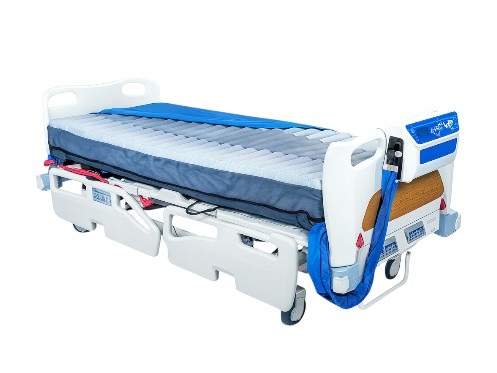
First the bed. Everything else is arranged around where the bed is and which side the power is on.
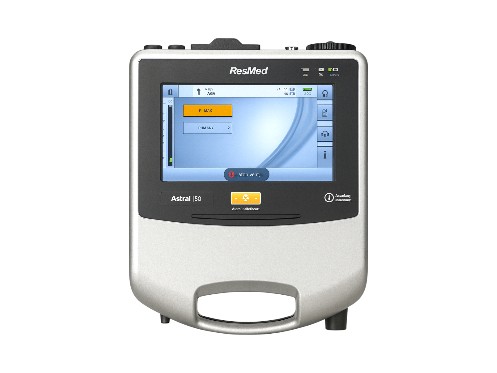
Second the life-sustaining equipment: oxygen concentrator or ventilator, with the correct interface and the correct power backup.
Third the monitoring and support equipment: patient monitor, suction machine, and an air mattress if the patient will be bed-bound.
Fourth the consumables and the practical items: spares, extension tubing, a foot-operated bin, a written checklist at the bedside.
Build the 24-hour plan before the day
Write down who is awake at night. A single caregiver cannot safely manage a ventilated patient alone; arrange a second person for the night shift or plan for a professional nurse.
Write down the escalation triggers: which saturation, which heart rate, which temperature, which signs of agitation mean "call now".
Write down the medication timings and who gives each one. Two family members giving medication "when it is time" is how double doses happen.
The handover
Do it with the caregiver and the technician in the room. The technician demonstrates; the caregiver repeats. A demonstration that is only watched is not a handover.
Confirm the settings on the machine match the written protocol, the alarms are set to the prescribed limits, and the battery is charged.
Before the vehicle leaves, check that the invoice, the rental dates, the equipment list and the 24/7 number are all in one place.
The first week
Expect more calls in the first week than in the rest of the rental. Most are about mask fit, alarm tones and tubing routes, and all are quick fixes.
Keep a simple daily record: vitals, feeds, medication, output, sleep and any change in the patient's condition. It becomes the most useful document in the file.
Review with the doctor early rather than at the end. A lot of equipment can be stepped down once the trajectory is clear, and that is money back for the family.
Frequently asked questions
It depends entirely on the equipment. A bed plus a monitor is around ₹6,500 per month. A bed plus oxygen plus a monitor plus a suction machine is around ₹11,400. We always quote the full picture on the first call.
We can refer you to home nursing providers for the areas we serve. Tell us on the call what level of nursing you need and we will point you to someone suitable.
Need help choosing equipment?
Our team can help you select the right machine based on your doctor’s advice, the patient condition and the rental duration. Call +91 92242 82405 and we will talk it through.