Home Care for Elderly Parents: The Complete Equipment List
A checklist by need, from a simple comfort setup through to full nursing care, with what each item costs and which are genuinely worth renting.
Caring for an ageing parent at home rarely starts with a shopping list. It starts with a slow decline in mobility, a fall, a hospital admission, or a doctor's advice to keep them comfortable.
The equipment needed depends on where the person is on that spectrum, and buying the wrong thing is common and expensive.
Here is a list organised by level of care, with the honest cost of each item in Mumbai.
Level 1 - comfort and safety, still independent
A good armchair with a firm seat and armrests, a shower chair, a non-slip mat, a grab rail set and a commode chair if the bathroom is far.
A blood pressure monitor for routine checks is useful. A pulse oximeter is worth having and costs less than a single month of a rental.
None of this needs a rental. The point of Level 1 is to delay Level 2.
Level 2 - limited mobility, needs help to move
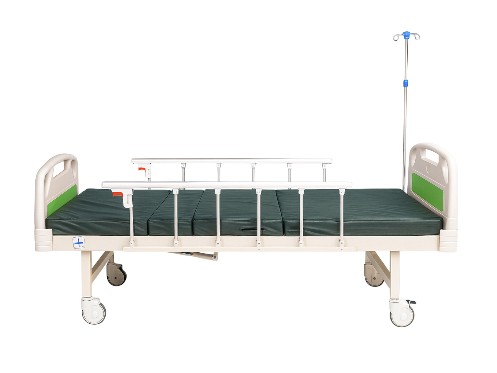
A 2-function full fowler bed at ₹2,400 per month lets the parent sit up for meals and be cleaned comfortably.
A commode chair, a slide sheet for transfers, and a walking frame or walker are all inexpensive and dramatically reduce fall risk.
A patient monitor is unnecessary at this level unless a doctor has asked for it after a cardiac event.
Level 3 - bed-bound, needing nursing care
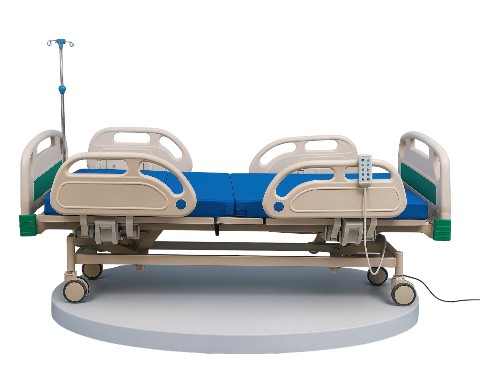
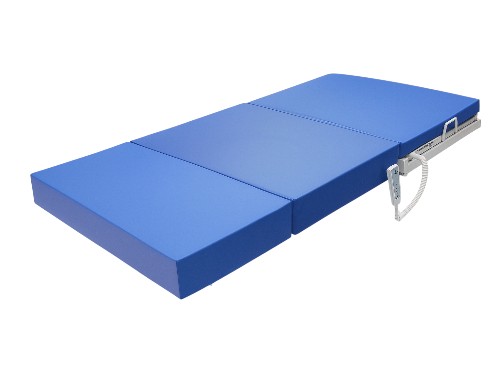
A 3-function or 5-function bed at ₹5,100 to ₹9,150 per month, with a mattress and ABS side rails.
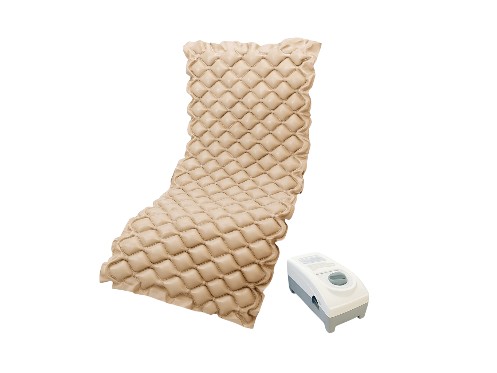
An air mattress overlay at ₹9,100 per month, or a purchase option from ₹2,100. This is the item that prevents the pressure ulcer nobody saw coming.
A suction machine at ₹1,650 per month if there is any airway or gastric need, and a patient monitor at ₹4,100 if the doctor wants vitals tracked.
Oxygen at ₹3,250 per month if it has been prescribed. Do not run oxygen without a prescription.
Level 4 - high dependency, needing professional nursing
Everything in Level 3, plus the equipment a nurse expects to find: a ventilator if prescribed, an infusion or feeding pump, and a robust power backup.
At this level the equipment is a smaller part of the cost than the nursing, and the nursing is a smaller part than the family's own time.
Plan the night shift deliberately. A single family member cannot safely manage a dependent patient alone around the clock.
What most families get wrong
They buy too early. Most needs appear gradually, and a rental means you can add equipment in a week rather than in a purchase cycle.
They forget consumables: catheters, giving sets, cannulas, covers and filters. Budget for them, and check the rental includes them.
They do not plan the power. The equipment list is only half the answer; the inverter is the other half.
They wait too long to ask for help. A fall or an admission is a worse starting point than a planned setup.
Frequently asked questions
A comfortable bed with side rails, a pressure-relieving mattress if the parent will be in bed for weeks, a commode chair, a grab rail set and a clear call system. Everything else depends on the medical condition.
Rent while the care plan is still changing. Most needs are uncertain in the first few months, and a rental can be upgraded or stopped in a week rather than a purchase cycle.
Need help choosing equipment?
Our team can help you select the right machine based on your doctor’s advice, the patient condition and the rental duration. Call +91 92242 82405 and we will talk it through.