How to Set Up a Safe Home ICU Corner in 24 Hours
A step-by-step plan for turning one room into a safe care area: what to clear out, where to put the bed, what power backup you need and which equipment to rent first.
A home care corner is not a hospital room, and it does not need to be. It needs enough space to move around the bed, a reliable power source for powered equipment, a clean surface for supplies and a clear line of sight so a caregiver can see the patient from the doorway.
Most families in Mumbai can convert a bedroom in a single afternoon. The order matters: fix the layout first, then rent the equipment, because the position of the bed determines where the oxygen tubing and power cables need to go.
Everything below assumes one patient and one primary caregiver. If a second family member will sleep in the room, plan for a recliner or a separate chair instead of a second bed, so the walkway stays clear.
Step 1 - clear the room before anything is delivered
Remove furniture that is not needed for the care. Keep one table within reach of the bed head for medicines, a monitor or an infusion pump, and one for the caregiver to write on.
Keep at least 75 cm of clear walkway on the side of the bed where transfers happen. That is the side a wheelchair or a stretcher comes in from, and it is the side a nurse needs for suctioning and repositioning.
Take rugs away. A hospital bed on castors plus a rug is a fall risk, and most falls in home care happen in the first week when the family is still learning the layout.
Step 2 - choose the bed and place it correctly
Position the head of the bed away from the door and towards a window that can be opened for ventilation, but not directly under a window where rain or draught reaches the patient.
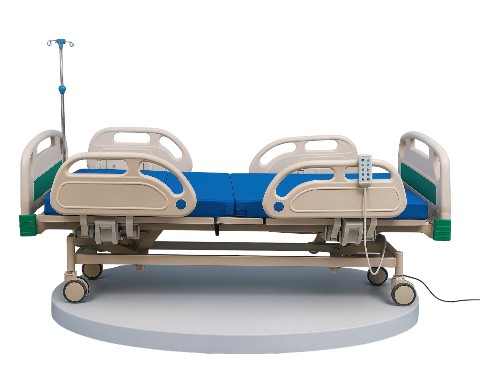
A five-function bed with an inbuilt battery is worth the extra cost if the patient uses a powered wheelchair or is likely to be moved regularly, because the bed can be lowered to wheelchair height.
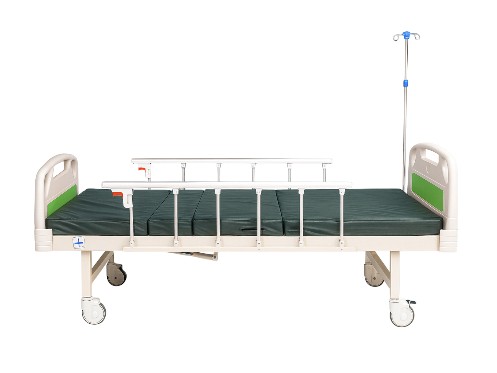
Leave the IV pole side clear. It is the side a drip, a suction jar and a monitor stand will all want, and crowding it is the most common reason we have to move equipment on delivery.
Step 3 - sort out power and lighting
Count the powered devices: bed, oxygen concentrator, monitor, suction machine, feeding or infusion pump, and a ventilator if one is prescribed. Then check how many sockets are reachable from the bed without a cable crossing the walkway.
For anything that must keep running through a cut, an inverter is not optional. A 1 KVA inverter with a stabiliser covers an oxygen concentrator and a bed; ventilators need the inverter to be sized for the machine and its battery kept charged.
Add a second, brighter light source that does not depend on the main switch. A clip-on LED lamp on a bed rail is inexpensive and removes a lot of night-time trips to the switchboard.
Step 4 - set up a hygiene zone
Keep one designated surface for clean equipment and one for used equipment. Do not clean a suction jar and a monitor on the same tray.
A foot-operated or pedal bin within reach, with a liner, prevents the caregiver from touching the bin and then the patient. Hand sanitiser belongs at the door of the room, not on the bedside table.
Washable cotton bed linen and a waterproof mattress cover matter more than any equipment. A bed that cannot be kept clean will undermine everything else.
The equipment list most families actually need
Start with the bed and the mattress. Add a patient monitor if the patient has a cardiac or post-operative history. Add oxygen only if it has been prescribed - do not run oxygen "just in case", because unsupervised oxygen therapy has its own risks.
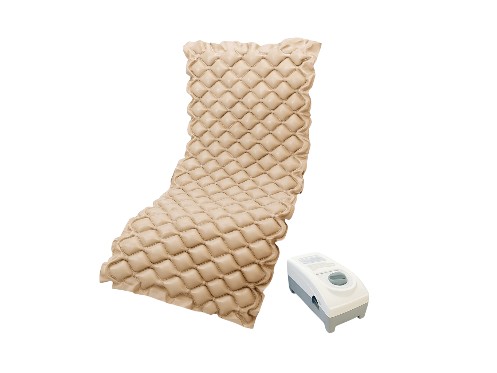
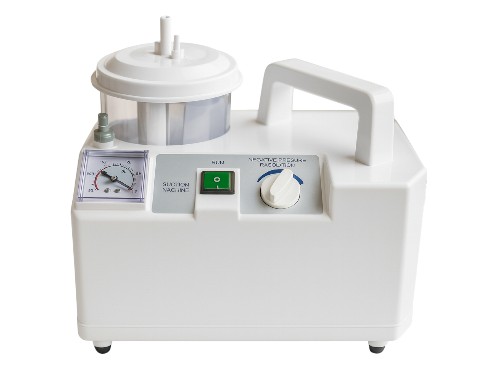
A suction machine is essential for a tracheostomy or a patient with weak cough. An air mattress overlay is worth adding for anyone who will be bed-bound for more than two weeks.
Everything above is available on rent in Mumbai, Thane and Navi Mumbai with same-day delivery, and our technician sets it up and demonstrates it before leaving.
Frequently asked questions
A 10 x 12 foot room is usually enough for one bed, one caregiver chair and the equipment trolley. Keep 75 cm clear on the transfer side of the bed and do not block the door.
If the patient depends on oxygen, a ventilator or an infusion pump, yes. A 1 KVA inverter with stabiliser covers a bed and an oxygen concentrator; a ventilator needs the inverter sized for it and its battery kept charged.
The high-touch points: bed rails, the monitor screen and knobs, the oxygen humidifier bottle, the suction jar and tubing, the feeding pump keypad and any shared table surface. Everything else can follow the rental servicing schedule.
Need help choosing equipment?
Our team can help you select the right machine based on your doctor’s advice, the patient condition and the rental duration. Call +91 92242 82405 and we will talk it through.