Power Cuts and Medical Equipment: A Backup Plan for Every Device
What each device needs when the electricity fails, how to size an inverter for a home care room, and the battery-free options worth knowing about.
A power cut is not an abstract risk in Mumbai. It is a monsoon Tuesday, a festive season transformer overload or a building shutdown, and for a patient on powered equipment it is the most dangerous event of the day.
The fix is not one big inverter. It is a small, specific plan for each device, sized correctly.
Here is what each device needs and what to do about it.
Oxygen concentrator
A 5 LPM unit draws 350 to 450 W and a 10 LPM unit around 550 W. A 1 KVA inverter with a stabiliser covers a 5 LPM unit comfortably; a 10 LPM unit needs a 1.5 KVA or a 2 KVA inverter.
Keep one full cylinder as the backup. Write on the cylinder how long it runs at the prescribed flow, because the answer is usually shorter than people assume.
A patient who is on oxygen overnight should have a working inverter and a full cylinder, not one or the other.
Electric bed
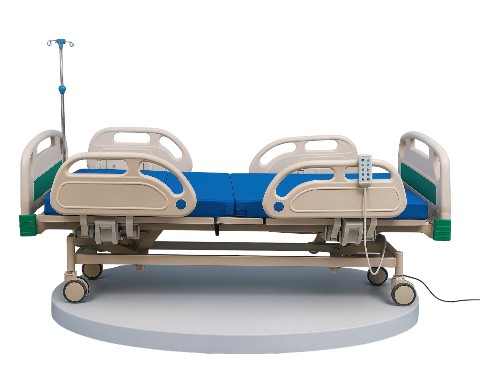
A motorised bed without a battery cannot be lowered or raised during a cut, which can trap a caregiver who is adjusting the patient at night.
The five-function beds we rent include an inbuilt battery that keeps the bed usable for a short period. The motorised recliner and three-function models do not, so a UPS for the bed outlet is worth adding.
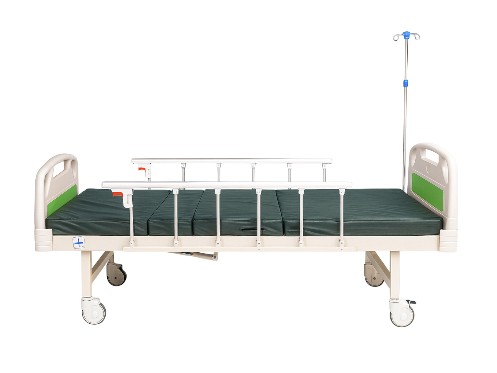
The two-function manual bed is entirely unaffected by a power cut, which is one reason it remains the most practical choice in older buildings.
Ventilator
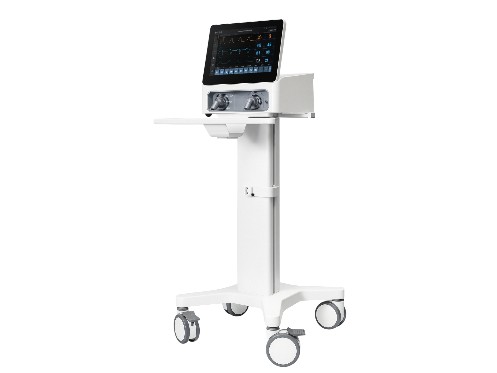
A ventilator is the most demanding device in the room. The inverter must be sized for the machine itself, and the internal battery must be charged before every use.
Never rely on the battery alone for an overnight period. It gives roughly a few hours depending on the mode, which is enough for a short cut and not enough for a long one.
Keep an oxygen cylinder in the room as a second line of defence, and check the oxygen compatibility of the machine at delivery.
Patient monitor
The internal battery keeps the display and alarms alive for around two hours, which is usually enough to cover a cut.
For overnight monitoring, plug the monitor into the same inverter as the bed so that the display stays visible during a cut.
Infusion and feeding pumps
Feeding pumps have up to 24 hours of internal battery, which comfortably covers a cut. Infusion pumps run for several hours.
Never start a new infusion or feed without battery charge on the unit. That single habit removes most of the risk.
An overnight feed on a depleted battery stopping mid-infusion is a real and avoidable event.
A one-page power plan
List every device, its wattage, what happens if it stops and who to call. Tape it next to the distribution board.
Test the plan once a month by switching off the mains deliberately, and check that each device does what the plan says it will.
Keep the 24/7 helpline number on that page. Equipment faults after hours are exactly the situation where a family should not be troubleshooting alone.
Frequently asked questions
A 1 KVA inverter with stabiliser covers a hospital bed and a 5 LPM oxygen concentrator. A 10 LPM unit or a ventilator needs 1.5 to 2 KVA. Confirm the inverter capacity with us before you buy one.
The ventilator, because it is life-sustaining. Oxygen is next, because an interruption of a few minutes is significant for a patient with low saturation.
Need help choosing equipment?
Our team can help you select the right machine based on your doctor’s advice, the patient condition and the rental duration. Call +91 92242 82405 and we will talk it through.