Infection Control at Home When Caring for a Bedridden Patient
A practical infection control routine for families caring at home: hand hygiene, equipment cleaning, catheter care, waste handling and the signs of a preventable infection.
Most infections acquired at home are not mysterious. They come from hands, from a suction jar that was not changed, from a catheter reused once, from a damp mattress cover.
None of these require a hospital-grade infection control programme. They require a small number of habits, done consistently.
This is the routine we teach at every delivery, written out so a family can follow it without a nurse in the room.
Hand hygiene, done properly
Alcohol hand rub for 20 to 30 seconds, or soap and water when hands are visibly soiled, after every contact with the patient's mouth, airway, urine or stool.
Gloves do not replace hand hygiene. They reduce one task's contamination but they transfer organisms between patients and surfaces if you do not wash after removing them.
Nail polish, artificial nails and hand cream can harbour organisms. Keep nails short and avoid fresh hand cream before care tasks.
A clean and a dirty zone
Designate one surface for clean stock - the newly delivered catheters, the fresh linen, the medication box - and one for used equipment.
Do not clean a suction jar on the same tray as a monitor. Move from clean to dirty, never the other way round.
Keep a pedal bin with a liner in the room so the caregiver never touches the bin and then the patient.
Equipment cleaning schedule
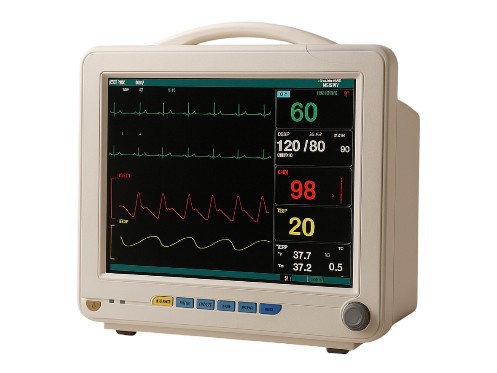
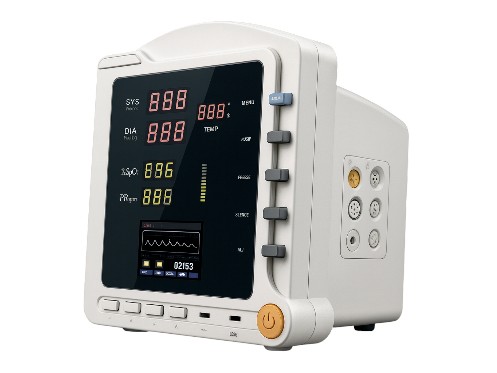
High-touch surfaces - bed rails, monitor knobs and screens, the oxygen humidifier bottle, pump keypads - wiped with a hospital-grade disinfectant once a day.
The suction jar, lid, float and tubing washed with hot soapy water daily and air dried completely. Replace the disposable liner every session.
Mattress covers and cotton sheets washed at 60 degrees Celsius or higher, and changed every two to three weeks during a long rental.
Everything rented is delivered disinfected, and servicing visits replace the consumables that are designed to be replaced.
Catheter and line care
A new sterile catheter for every suction pass, and a new sterile giving set for every infusion change. Reuse is the single largest preventable risk.
Keep the insertion site clean and dry, and check it daily for redness, swelling or discharge.
For a urinary catheter, keep the bag below the level of the bladder at all times and empty it into a clean container rather than the toilet if the patient is immunosuppressed.
Recognising a preventable infection early
Rising temperature, a new productive cough, cloudy or foul-smelling urine, a sudden increase in suctioned secretions, or a catheter site that becomes red and tender.
A change in the character of secretions is often an early sign, before any fever appears.
If infection is suspected, call the doctor before starting a new antibiotic course that has not been prescribed, and never reuse a catheter that has been in place for longer than the prescribed interval.
Frequently asked questions
For tasks involving body fluids - suctioning, catheter care, wound dressing - yes. For routine contact such as repositioning or feeding, clean hands are enough. Hand hygiene is required either way.
Servicing is included in every rental. Filters, jars, tubing and consumables are replaced on schedule, and the machine is cleaned and function-tested between patients.
Need help choosing equipment?
Our team can help you select the right machine based on your doctor’s advice, the patient condition and the rental duration. Call +91 92242 82405 and we will talk it through.