.jpg)
Sleep Apnea in Adults: Symptoms, Testing and Treatment
The signs of obstructive sleep apnoea, how a sleep study works, what AHI means and how CPAP or BiPAP treatment actually changes a patient's day.
Obstructive sleep apnoea is the repeated collapse of the airway during sleep. The brain wakes the person briefly to breathe, they do not remember it, and the sleep never becomes deep or restorative.
The result is daytime sleepiness, unrefreshing sleep and a raised cardiovascular risk. It is common, it is under-diagnosed, and it is one of the most treatable sleep conditions.
Here is what the condition looks like, how it is diagnosed, and what treatment actually involves.
The symptoms people recognise
Daytime sleepiness that coffee does not fix, morning headaches, a dry mouth on waking, and a partner who has started sleeping in another room because of the snoring.
Nocturnal symptoms include witnessed apnoeas - the partner describing the patient stopping breathing - restless sleep, night sweats and frequent waking.
Concentration problems, irritability and low mood are downstream effects of fragmented sleep, and they often improve within weeks of effective treatment.
How it is diagnosed
A sleep study, or polysomnography, records airflow, oxygen saturation, heart rate, breathing effort and sleep stage. It is done either overnight in a lab or at home for suitable patients.
The AHI, or apnoea-hypopnoea index, is the number of breathing events per hour. Below 5 is normal, 5 to 15 is mild, 15 to 30 is moderate and above 30 is severe.
An AHI above 15 with symptoms is a clear indication for positive airway pressure therapy.
What CPAP and BiPAP actually do
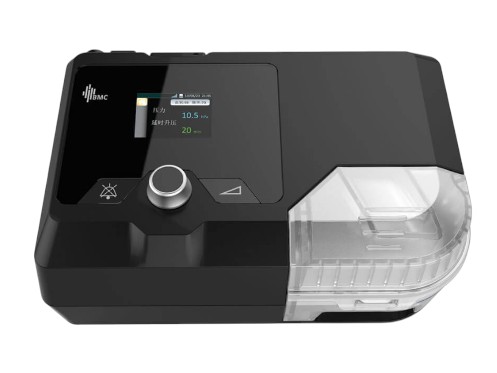
CPAP holds the airway open with a single pressure throughout the night. The patient breathes normally against it and the oxygen saturation stays stable.
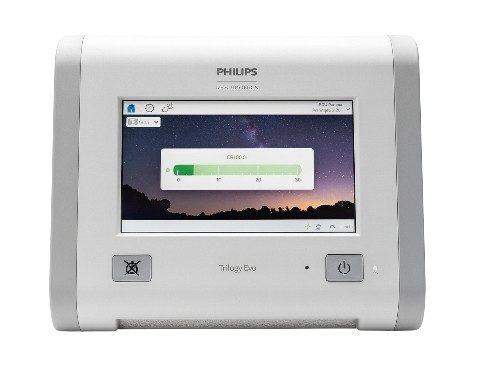
BiPAP provides two pressure levels and is used when a single pressure is not tolerated or not clinically sufficient.
Both machines record AHI, leak and usage, which is exactly what your sleep physician needs to see at the next review.
The first two weeks are the hard part
The most common reason for failure is mask discomfort, not machine failure. A mask that leaks under the nose or a strap that is too tight will be taken off within an hour, every night.
Start with the lowest pressure that still keeps the airway open, use the ramp function, and use a nasal pillow if a full mask feels claustrophobic.
Humidification helps more than most people expect, particularly in a dry room or in summer.
Most patients who persist for three weeks notice a difference in daytime alertness. That is the point at which the machine stops being a chore.
Renting first is the smart move
A month of rental costs a fraction of the purchase price and answers the three questions that matter: can the patient wear the mask, is sleep improving, and is the AHI falling.
Rentals in Mumbai start at ₹4,650 per month and include the machine, a fitted mask, humidifier, data reporting and 24/7 support.
If the data is good, buy with confidence. If it is not, you have avoided an expensive mistake and can go back to the physician with real numbers.
Frequently asked questions
If you snore loudly, your partner reports you stop breathing, you wake with headaches, or you are persistently sleepy during the day, ask your doctor for a sleep study referral.
No. Mild cases may be managed with positional therapy, weight management and a mandibular device. CPAP or BiPAP is indicated for moderate to severe apnea and for mild apnea with significant symptoms.
Need help choosing equipment?
Our team can help you select the right machine based on your doctor’s advice, the patient condition and the rental duration. Call +91 92242 82405 and we will talk it through.