Oxygen Concentrator or Oxygen Cylinder: Which Is Cheaper at Home?
A straight comparison of cost, convenience and reliability for long-term home oxygen, including the electricity maths and when a cylinder still makes sense.
This is the most common question we are asked about home oxygen, and the answer changes depending on how long the patient will need oxygen.
A cylinder is a delivery problem. A concentrator is a power problem. One is cheaper when the patient needs oxygen for a fortnight, the other is dramatically cheaper over months.
Here is the honest comparison, including the cases where a cylinder is still the right answer.
How the two differ
An oxygen cylinder stores compressed oxygen in a refillable tank. It is finite, it needs refills, and it runs out.
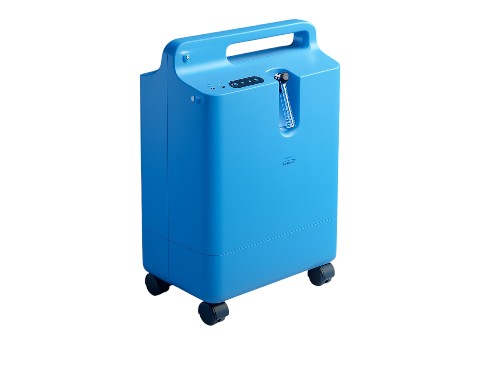
An oxygen concentrator makes oxygen from room air continuously, so it never runs out. It needs mains power, a little space and periodic servicing.
A concentrator also produces oxygen at a controlled flow through a humidifier and cannula, which is what a home prescription expects.
The cost comparison
A 10 LPM cylinder in Mumbai costs roughly ₹800 to ₹1,200 per refill depending on the supplier, and a large cylinder holds around 1,500 litres. At a typical flow that is a few hours of continuous use.
A 5 LPM concentrator draws about 350-450 W. At a domestic tariff of around ₹8 per unit, twelve hours a day is about ₹30 a day, or roughly ₹900 a month.
Add to that the cylinder delivery schedule, the refills missed because nobody was home, and the deposit. Over a month of continuous use, the concentrator is usually cheaper on consumables alone - and it is available on rental from ₹3,250 per month with servicing included.
When a cylinder still makes sense
For short-term needs of a few days to two weeks, a cylinder avoids the hassle of an installation and the electricity question entirely.
As a backup for a concentrator during a power cut, a cylinder is essential. This is the single most useful reason to keep one at home.
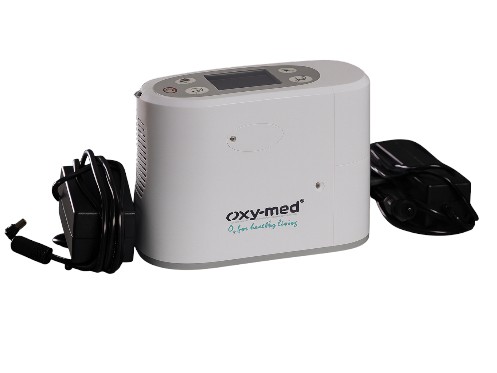
For travel, where the concentrator cannot go, a portable concentrator is the better option - it is the cylinder's convenience without the refills.
What to keep at home
For long-term therapy: one concentrator, one full cylinder as a backup, a spare cannula and tubing, and a spare power cord.
Know how long the backup cylinder lasts at the prescribed flow, and write it on the cylinder. It is usually less than people assume.
Test the backup once a month. A cylinder that has been sitting partly empty for six months is not a backup.
Frequently asked questions
The concentrator. At typical usage it costs about ₹900 a month in electricity against repeated cylinder refills, and it needs no deliveries. Rentals start at ₹3,250 per month for a 5 LPM unit.
Yes, as a backup for power cuts. Keep one full cylinder at home and know how long it runs at the prescribed flow.
Need help choosing equipment?
Our team can help you select the right machine based on your doctor’s advice, the patient condition and the rental duration. Call +91 92242 82405 and we will talk it through.